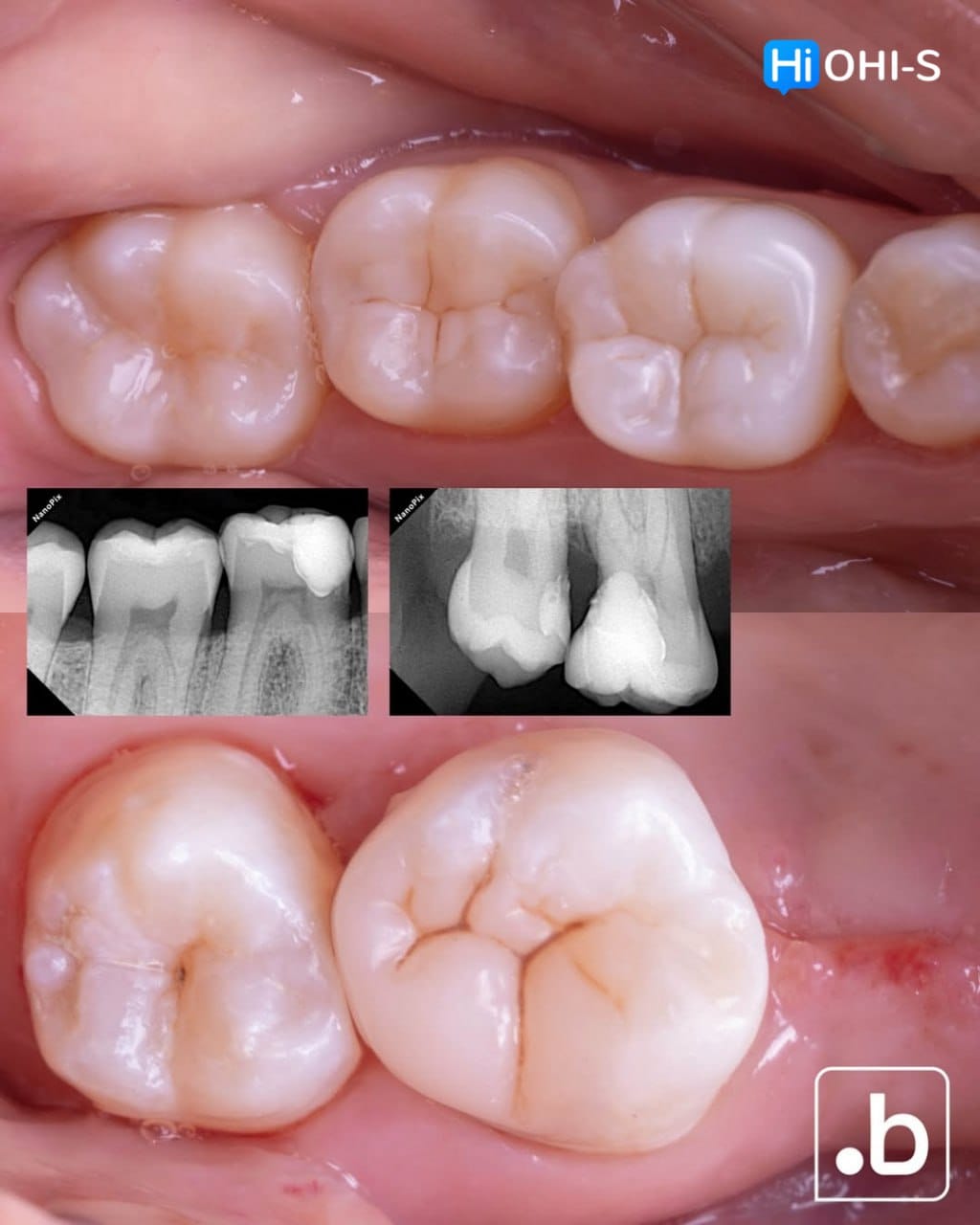
The Biomimetic Concept: Composite Restoration Protocols
The Biomimetic Concept: Composite Restoration Protocols
Category: Restoration
Instructor(s): Gustavo Pasarelli Petris, David Alleman, Davey Alleman, Simone Deliperi, Joan Gubau Mach, JUNJI TAGAMI
Course structure: Lessons: 8 lessons | Duration: 10 h 58 min
Course overview
You will learn how to acheive the most natural restorations according to the protocols of leading experts in the biomimetic concept.
Guided by the philosophy of this concept with the scientific background and vast experience of David Alleman, Junji Tagami and Simone Deliperi, you will be able to create restorations that will last 15-20 years.
You will learn in detail:
– Adhesive protocols
– Methods of direct composite restoration of severely damaged teeth
– Methods of minimally invasive restoration
– Stress-reduced direct composite restoration.
Curriculum
Direct anterior composites, non-invasive biomimetic aesthetic dentistry
- The discussion centers on minimally invasive dental restoration techniques using composite resins. The speaker advocates for this approach due to its artistic potential, reversibility, and reparability. They detail various applications of composite resins, including additive treatments, lengthening procedures, and contour-preserving restorations. The emphasis is placed on careful analysis and individualized treatment plans to achieve natural-looking results while preserving healthy tooth structure
- Recommended for: Pediatric dentists, Restorers, General dentists.
Adhesive dentistry: tooth and pulp friendly approach
- Lesson program:
- – Advantages of adhesive restorations:
- Conventional restorations vs. Adhesive restorations
- Survival rate of Adhesive restorations.
- – Pulp friendly caries removal technique:
- The biological approach in caries treatment
- The painless technique of caries removal
- Removal of infected dentin caries lesion: stepwise excavation and stepwise like technique
- Recurrent caries - removal of old restorations and cavity preparation.
- – Selection of the Adhesive system:
- Fundamentals of bonding and understanding the bonding mechanism
- Etch and rinse type adhesive or self-etching type adhesive?
- Reliability of the universal bond.
- – How to obtain the best performance of adhesive resin?
- Application procedure
- Light curing
- Lining with Hybrid Composite.
- – Prevention of the post-restoration tooth sensitivity:
- Prevention of gaps in the cavity
- RMGIC to reduce sensitivity
- Reliability of the bulk-fill composite
- Prevention of enamel at cavo-surface area.
- Recommended for: Pediatric dentists, Restorers, General dentists.
Direct aesthetic restoration with innovative adhesive and composite resin
- Lesson program:
- – The fundamentals of adhesive dentistry:
- History of adhesive dentistry and its development
- Penetration of bonding resin to enamel and dentin.
- – Basics for posterior restoration:
- Anatomical form
- Proximal contact point
- Selective removal of infected dentin
- Incremental filling technique
- Direct restorations of non-vital teeth.
- – Basics for anterior restoration:
- Selection of the material and cavity design for appropriate color matching
- Specific colors in dentistry: Vita Shades
- The silicon Index technique.
- – Restoration of tooth wear:
- Mechanical Properties of restorative materials
- Attrition and wear of composite materials
- Repair of restorations and bonding to old composite materials
- Light diffusion test
- Clinical cases.
- – Direct composite crown restoration:
- Monoblock direct crown restoration for vital and non-vital anterior teeth
- Long term clinical performance
- Indication and contra-indication.
- – Direct adhesive bridge restoration:
- Procedures for direct bridge restoration
- Long term clinical performance
- Indication and contra-indication.
- Recommended for: Pediatric dentists, Restorers, General dentists.
Clinical case: direct anterior composites step by step
- The speaker presents their approach to direct anterior veneer restorations using composite resin, highlighting its advantages over indirect methods like those involving glass ceramics. They discuss the benefits of composite resin, including its simplicity, cost-effectiveness, minimal invasiveness, and reversibility. The speaker outlines their treatment protocol, emphasizing patient comfort through techniques like air abrasion and split dam isolation to minimize discomfort. They also delve into material selection, layering techniques, and curing methods, stressing the importance of achieving natural-looking results while preserving tooth structure
- Recommended for: Pediatric dentists, Restorers, General dentists.
Direct biomimetic composite restorations of structurally compromised teeth
- Lesson program:
- – Biomimetic concept of restorative dentistry
- – New classification proposal of restorative procedures
- – Enhancing the hybrid layer
- – Stress reduced direct composite and C-Factor Control
- – Composite restoration survival rate
- – The 4 main points of light curing
- – The peripheral seal zone in adhesive dentistry
- – Polyethylene fiber and deep caries
- – Occlusal and gingival embrasures
- – Mono laminar technique
- – Bi-laminar technique
- – Tri-laminar technique.
- Recommended for: Pediatric dentists, Restorers, General dentists.
The stress-reduced direct composite (SRDC) protocol
- Lesson program:
- – Classification of composite resin
- – The curing mechanism of Composite resin and polymerization shrinkage
- – Contraction stress and marginal adaptation of composite restorations
- – Stress reduced protocols
- – Stress-reduced direct composite (SRDC) approach for the restoration of structurally compromised teeth with layering and curing protocols
- – Stress-reduced direct composite (SRDC) technique combined with the conventional techniques of restorations for class II caries lesions
- – How to replicate esthetic appearance and the creation of anatomical proximal contacts
- – Minimal invasive dentistry + SRDC Vs. Adhesive dentistry
- – SRDC and polyethylene fiber: The wallpapering technique to restore and mimic the aesthetic and functional characteristics of non-vital teeth.
- Recommended for: Pediatric dentists, Restorers, General dentists.
Dr. Alleman's 6 principles of biomimetic restorative dentistry
- Lesson program:
- – The post amalgam era
- – The hierarchy of bondability
- – Understanding the mineralization topographical map
- – Decoupling with time (DWT)
- – Increasing bond strengths and modern solution to bonding
- – Adhesive failure prevention: understanding the adhesive equation
- – Decreasing polymerization stress
- – Composite movement: the C-factor and the B-Factor (Bulk factor)
- – Physical Decoupling: overcoming the hydrodynamic theory of pain
- – Step-by-step preparation protocols of caries cavities and old restorations
- – Step-by-step laying techniques.
- Recommended for: Pediatric dentists, Restorers, General dentists.
Bonding: obtaining a perfect adhesion to different tissues
- Lesson program:
- – Classification of restoration failure in biomimetic dentistry
- – Caries detecting dye
- – The peripheral seal zone and caries removal endpoints
- – Immediate Dentin Sealing (IDS) and resin coating
- – C-factor control and Deep marginal elevation
- – Stress-reduced direct composite: layering and fiber placement
- – When to onlay a cusp?
- – Occlusion and the prevention of catastrophic failure of restorations.
- Recommended for: Pediatric dentists, Restorers, General dentists.
Couldn't load pickup availability