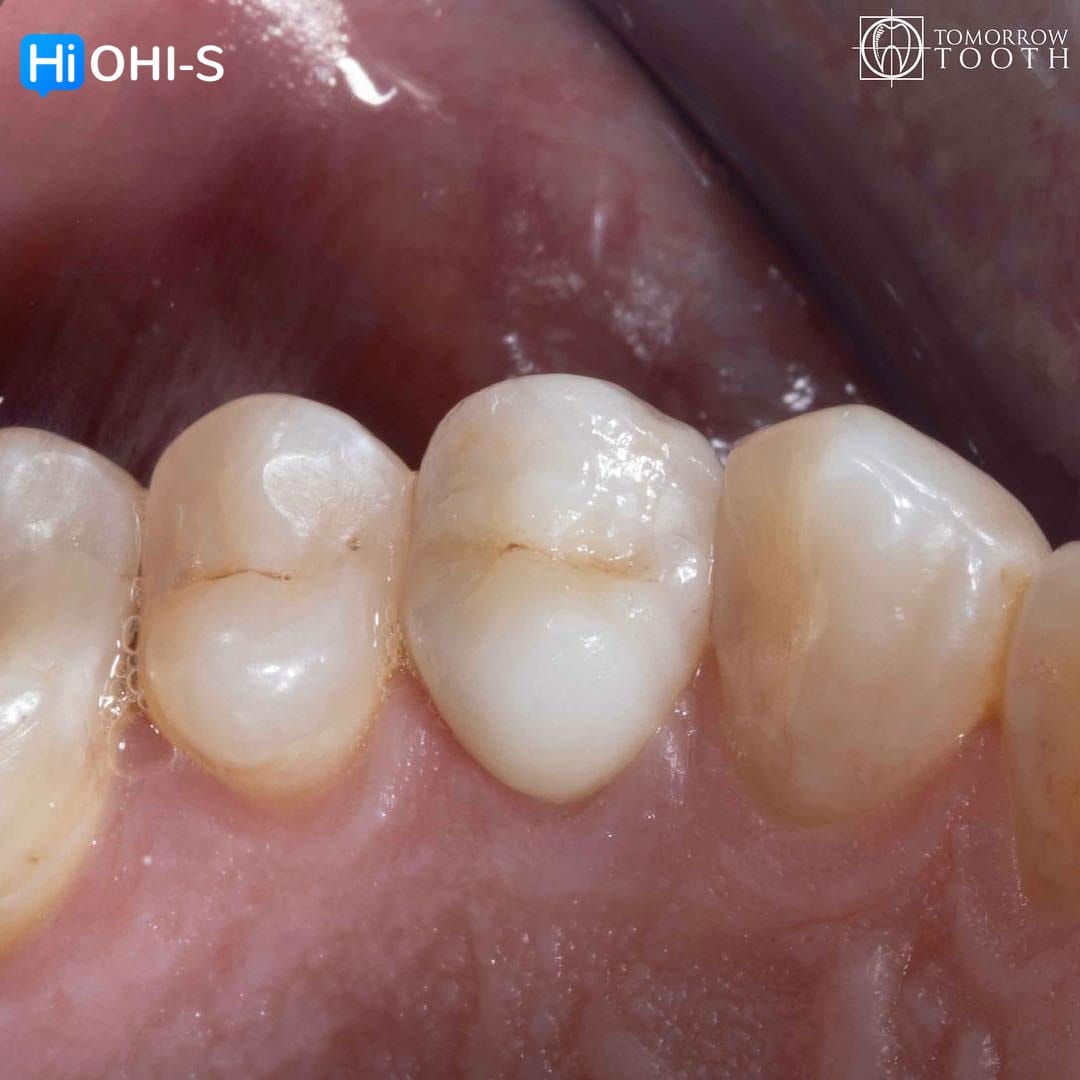
Vertical Preparation Protocols: The Complete Guide in 24 Lessons from Tomorrow Tooth
Vertical Preparation Protocols: The Complete Guide in 24 Lessons from Tomorrow Tooth
Category: Prosthodontics
Instructor(s): Marco Maiolino, Pasquale Venuti
Course structure: Lessons: 24 lessons | Duration: 15 h 29 min
Course overview
Big course on vertical preparation for prosthodontists and dental technicians.
24 online lessons are:
– 16 hours of intensive training with detailed protocols of all stages of working with VertiPrep
– Lecturers who are proficient in the vertical preparation technique from A to Z - Pasquale Venuti and Marco Maiolino
– Ideal training for the "prosthodontist - dental technician" team.
Lecturers will consider in detail:
– features of vertical preparation (biomechanics, indications and contraindications for use, used burs and handpieces
– detailed protocol of impressions: analog and digital methods
– protocol for manufacturing and cementing temporary restorations
– protocol for manufacturing and cementing final restorations.
Curriculum
Why Verti-prep?
- Lesson program:
- – Vertical approach: working with hard and soft tissues
- – 9 benefits of vertical preparation
- – Indications for vertical preparation
- – Long-term results of vertical preparation
- – Clinical and laboratory prosthetic workflows. Tips.
- Recommended for: Prosthetist, Dental Technician, General Dentist.
Definition and development of vertical preparation
- Lesson program:
- – Why Vertical Preparation is underused? Prejudices about Vertiprep
- – How to define a vertical preparation
- – Difference beetween feather and and knife edge
- – Edgeless and shoulderless preparation
- – Conceptional differencies between margin and non- margin preparation
- – What is Batt bur in prosthodontics used for?
- – Why is vertical preparation friendly for periodontally compromised patients?
- Recommended for: Prosthetist, Dental Technician, General Dentist.
Review of preparation methods
- Lesson program:
- – Comparison of soft tissue condition with provisional restorations and without
- – Toe-Heel approach that solves many issues
- – BOPT and Vertiprep: edgeless strategy
- – Geometry of Batt bur
- – Establishment of undesired ridges, shoulders and irregularities
- – How does the bur move while preparing vertically. Possible side effects.
- Recommended for: Prosthetist, Dental Technician, General Dentist.
Preparation with flame-shaped and butt bur
- Lesson program:
- – What is the Batt bur used for in the prosthetic dentistry?
- – The Toe-Heel Concept
- – Mechanics of flame-shaped bur tooth preparation
- – Problems related to the preparation of the tooth and soft tissues around it
- – Preparation technique of hard tissues under the crown using the Batt bur
- – Advantages of the Batt bur usage
- – Analysis of clinical cases and long-term results».
- Recommended for: Prosthetist, Dental Technician, General Dentist.
The difference between edgeless and shoulderless approaches
- Lesson program:
- – Analysis of a clinical case of prosthetic restoration of a severely destroyed molar using vertical preparation:
- The creation of the crown insertion path
- Filling of subgingival undercuts
- Preparation of the tooth and soft tissues
- Permanent prosthetic restoration.
- – X-ray folllow-up of the tooth condition and periodontal tissues when deciding on the use of vertical preparation
- – Features of endodontic preparation of the tooth before vertical preparation
- – Analysis of a clinical case involving the preparation of a frontal teeth with a shoulder and taking an impression
- – Preparation of the tooth for digital impression after vertical preparation.
- Recommended for: Prosthetist, Dental Technician, General Dentist.
Tooth preparation techniques
- Lesson program:
- – The technique of maximum enamel saving
- – The selective preparation technique
- – Indications and contraindications for each of the techniques
- – Rules of vertical and horizontal rationality.
- Recommended for: Prosthetist, Dental Technician, General Dentist.
Design of a shoulder
- Lesson program:
- – Critical biomechanical zones of the tooth
- – What is a shoulder and what is it used for?
- – Features of preparation, finishing the abutment and impression taking
- – Analysis of the clinical case.
- Recommended for: Prosthetist, Dental Technician, General Dentist.
Restoration of teeth with deep subgingival and endodontic lesions
- Lesson program:
- – The biological width of the tooth, and how it is affected by various factors?
- – X-ray assessment of the condition of periodontal tissues. When should I reject performing of the restoration?
- – Risks of furcation lesions during surgical extension of the tooth crown
- – Gingival margin expansion and deepening technology (DME and DLE)
- – Analysis of clinical cases of dental restorations with extensive subgingival defects
- – Analysis of clinical cases of restoration of teeth with odontogenic cutaneous sinus tract (OCST)
- – Non-standard and extra-complicated clinical cases.
- Recommended for: Prosthetist, Dental Technician, General Dentist.
Biomechanics of restorations. Part 1
- Lesson program:
- – Structure of the complex "tooth-cement-restoration"
- – "Crackology" - the science of broken restoration. Why is this happening?
- – Physical properties of substances that affect the durability of restorations
- – The forces that affect the restoration in the oral cavity
- – Save or remove the dentin overhanging edges? How to increase the strength of the tooth after restoration?
- – Internal and external strength of tooth tissues. "Invisible" fractures
- – A strategic approach to the prevention and treatment of tooth fractures and chipped restorations
- – The importance of preserving the edge ridges to achieve long-term restorations
- – Crash tests of removed teeth
- – Is it true that adhesive restorations strengthen the tooth? Breaking the Myths of composite and amalgam
- – Structural analysis of the tooth. Optimal depth and width of preparation
- – The importance of the anterior guidance in biomechanics and gnathology
- – Why is it important to correctly reproduce tooth cusps?
- Recommended for: Prosthetist, Dental Technician, General Dentist.
Biomechanics of restorations. Part 2
- Lesson program:
- – Advantages and disadvantages of the adhesive protocol. Analysis of the clinical case
- – Stress factors of adhesive restoration
- – Borders of the adhesion. When is possible to carry out an adhesion?
- – Features of adhesion to enamel and dentin
- – Features of enamel and dentin preparation for the adhesive protocol
- – Which adhesive should I choose?
- – The thickness of the tooth walls for the choice of treatment method
- – Analysis of errors in the implementation of the adhesive protocol in various clinical cases
- – Adhesion of various materials to tooth tissues
- – The importance of ferrule preservation in adhesive restoration
- – Ferrule as the most important factor of tooth strengthening after endodontic treatment
- – Creating a ferrule effect
- – Increasing the clinical height of the tooth crown
- – Overview and step-by-step analysis of clinical cases.
- Recommended for: Prosthetist, Dental Technician, General Dentist.
Provisional restoration
- Lesson program:
- – Provisional restorations are a necessary stage for successful prosthetics
- – Margins of provisional restorations. Working with soft tissues
- – Interproximal contacts of provisional restorations
- – Occlusal contacts of provisional restorations
- – Relining of provisional restorations
- – Materials for provisional restorations
- – Detailed protocol for creating provisional restorations in the oral cavity.
- Recommended for: Prosthetist, Dental Technician, General Dentist.
Provisional prosthetics
- Lesson program:
- – How to avoid interference between the provisional crown and the tooth?
- – The main errors that occur at the clinical and laboratory stages in the manufacture of temporary crowns
- – A confirmed and recognized approach to provisional prosthetics. Clinical cases
- – Stages of manufacturing of analog (classic) provisional restorations
- – Manufacturing provisional restorations for posterior teeth
- – Manufacturing provisional restorations for anterior teeth
- – Stages of manufacturing digital temporary crowns using Exocad
- – Tricks and lifehacks of provisional prosthetics
- – Analysis of clinical cases.
- Recommended for: Prosthetist, Dental Technician, General Dentist.
A free space management in the vertical preparation technology
- Lesson program:
- – Pros and cons of having a free tooth/abutment height
- – The optimum thickness of the restoration
- – The relationship between reliability, aesthetics and long-term restoration
- – Reasons of chipping of restorations at the stages of fitting and chewing
- – Geometry and biomechanics of dental preparation for indirect restorations.
- Recommended for: Prosthetist, Dental Technician, General Dentist.
Indirect restoration thickness and material
- Lesson program:
- – Mechanical principles for the selection of the thickness and material of the restoration
- – Occlusal principles for the selection of thickness and material of restorations
- – Comparative characteristics of various materials
- – Comparative characteristics of different thicknesses
- – The choice of material depending on the type of preparation
- – Thickness of restoration: digital planning.
- Recommended for: Prosthetist, Dental Technician, General Dentist.
Edge and edgeless preparation. Impressions
- Lesson program:
- – Edge and edgeless preparation: indications and contraindications, pros and cons
- – Detailed comparative characteristics of edge and edgeless preparation
- – Edge location
- – Clinical case: restoration of a severely damaged tooth. Choice of preparation method
- – Ideal time to take impressions.
- Recommended for: Prosthetist, Dental Technician, General Dentist.
Die preparation. Analog and digital methods
- Lesson program:
- – Die preparation: tools and techniques
- – Errors in the die preparation
- – Features of the die preparation with digital and analog methods
- – Features of the die preparation depending on the edge type.
- Recommended for: Prosthetist, Dental Technician, General Dentist.
Die spacer setting
- Lesson program:
- – Pre-cementation retention (frictional fit)
- – Post-cementation retention (cement fit)
- – Die spacing improves post cementation retention
- – Setting for inverted spacing
- – Using digital technologies to calculate the spacing
- – Processing of the gingival margin of the crown.
- Recommended for: Prosthetist, Dental Technician, General Dentist.
Indirect restoration cementation
- Lesson program:
- – Materials for cementation of indirect restorations
- – Comparative characteristics of fixing materials
- – How to succeed in indirect restoration cementation
- – Selection of the cement according to the material of the indirect restoration
- – Clinical cases. Decision making strategy.
- Recommended for: Prosthetist, Dental Technician, General Dentist.
Managing contact areas
- Lesson program:
- – Causes of crown fit problems
- – Methods for troubleshooting the crown fitting process
- – Tools for troubleshooting the crown fitting process
- – Planning the ideal contact point using digital technology.
- Recommended for: Prosthetist, Dental Technician, General Dentist.
Vertical preparation. Provisional and final restorations
- Lesson program:
- – Vertical preparation features
- – Control of the preparation depth
- – Using a silicone key
- – Fabrication and fixation of provisional restorations
- – Taking impressions: analog method
- – Fabrication and fixation of final restorations
- – Orthodontic treatment prior to prosthetics: indications
- – Fixation of final restorations.
- Recommended for: Prosthetist, Dental Technician, General Dentist.
Your first Vertiprep. The most common mistakes for those who start
- Lesson program:
- – Discussing common mistakes
- Recommended for: Prosthetist, Dental Technician, General Dentist.
Impression: analog method
- Lesson program:
- – When to take impressions: perfect timing
- – Analog VS digital impression: indications
- – 2-stage impression (analog method)
- – Working with soft tissues when taking an impression
- – Impression materials: characteristics, pros and cons
- – Putty impressions
- – Impression preparation.
- Recommended for: Prosthetist, Dental Technician, General Dentist.
Impressions: digital approach
- Lesson program:
- – Indications for digital impressions
- – Analog VS digital impression
- – Scanners. Short review
- – Perfect scanning. Criteria for excellent scan result
- – Undercuts analysis
- – Features of taking impressions depending on the clinical case
- – Soft tissue informations
- – Clinical case: restoration of a severely damaged tooth with milled crown
- – Features of taking impressions depending on the preparation.
- Recommended for: Prosthetist, Dental Technician, General Dentist.
Keeping Informations
- Lesson program:
- – Prosthetic and surgical treatment of malocclusion: digital planning
- – Use of surgical templates for implantation
- – JIG in composite for increasing vertical dimension
- – Impressions and bite registration using the facial bow
- – Working with models in the articulator. WAX-UP
- – Design and fabrication of provisional restorations, taking into account the VDO increase
- – Intraoral scanning with provisional restorations
- – Digital design and production of final restoration
- – Аn interdisciplinary approach in the class 3 treatment
- – Silicone key
- – Milled provisional in PMMA
- – Using Bis-Acrylic and a silicone key to obtain a provisional restorations
- – Tips in using teflon when taking digital impressions.
- In 3 parts.
- Recommended for: Prosthetist, Dental Technician, General Dentist.
Couldn't load pickup availability